

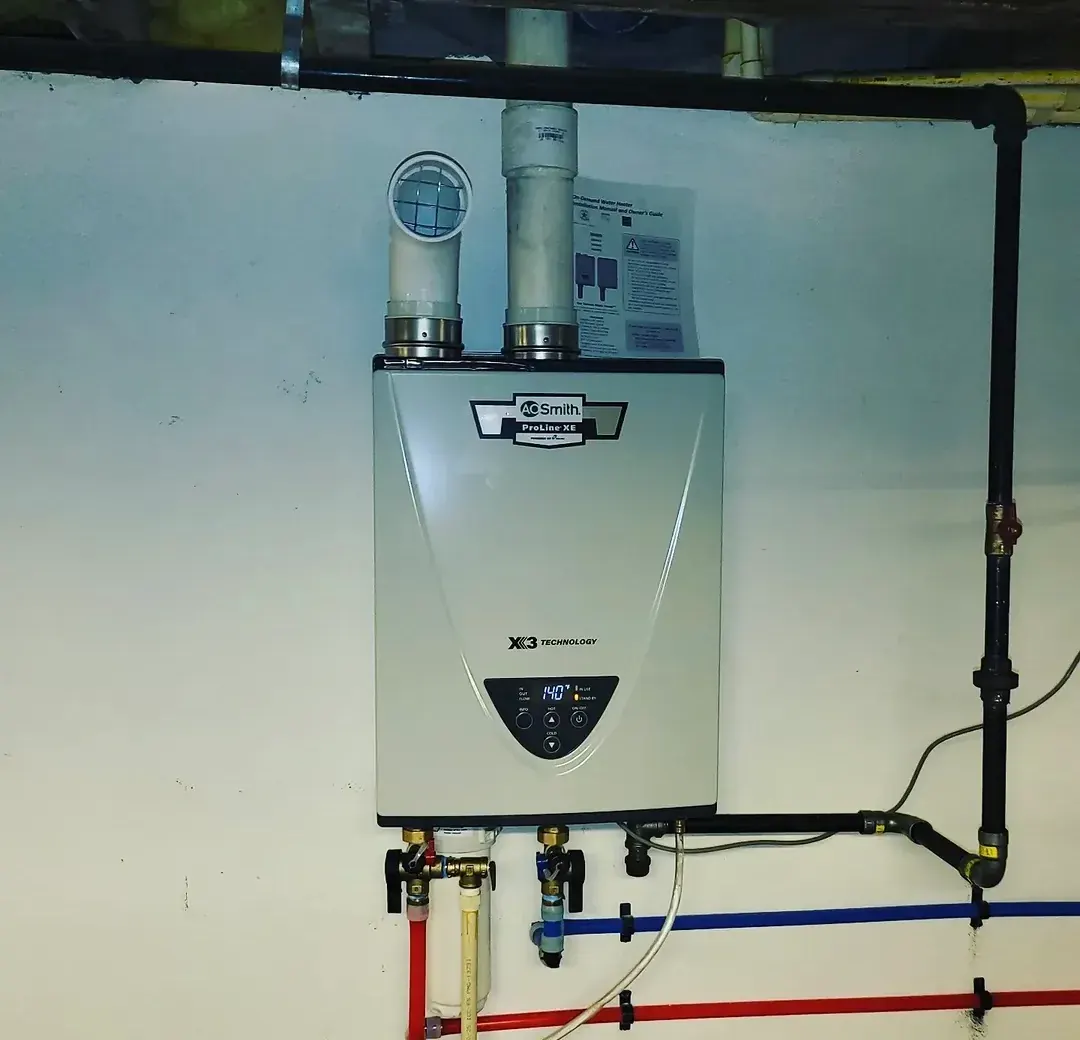
Why a water heater needs a permit
A water heater burns gas or draws high electrical current, holds dozens of gallons of hot water under pressure, and vents combustion gases out of your home. Each of those is a safety system. The permit and inspection confirm the installation was done to code by a licensed contractor, which protects you from carbon monoxide, scalding and tank failure.
New Jersey enforces the Uniform Construction Code statewide, and each municipality runs a construction office that issues permits and performs inspections. In Clifton, that office is at City Hall, 900 Clifton Avenue.
What the inspector checks
- Temperature and pressure relief valve installed and its discharge pipe run to within a few inches of the floor or a drain, with no cap or valve on it
- Venting sized and pitched correctly, with proper connections to the chimney or a direct vent
- Gas connection with a shut-off valve and sediment trap, leak-tested
- Expansion tank where the home has a check valve or pressure-reducing valve creating a closed system
- Combustion air adequate for the space
- Clearances to combustible materials
- Electrical disconnect and bonding for electric models
What happens without a permit
Insurance. If an unpermitted water heater causes a fire, flood or carbon monoxide incident, an insurer may question the claim. A closed permit is your proof the work met code.
Selling your home. Buyers' attorneys and inspectors often check permit history. Open or missing permits can delay a closing or lead to a request that the work be inspected and brought to code before sale.
Safety. The most common problems we find on unpermitted installs are capped or missing relief valve discharge lines, undersized venting and missing expansion tanks. Those are exactly the things an inspector catches.
Who pulls the permit?
The licensed plumber doing the work usually files the plumbing permit, because the plumbing subcode requires a licensed master plumber for most work. A homeowner can sometimes pull permits for work on their own single-family home, but gas and plumbing work have specific licensing requirements in New Jersey, so check with the construction office first.
How long it takes
| Step | Typical timing |
|---|---|
| Water heater swap | A few hours on install day |
| Permit filing | Filed by the plumber around the time of installation |
| Inspection | Scheduled with the construction office, often within days |
| Permit closed | After the inspection passes |
Timelines vary with the office's schedule. You usually have hot water the same day; the inspection follows.
Questions to ask your plumber
- Is the permit and inspection included in the price?
- Will you add an expansion tank if code requires it?
- Is the relief valve discharge piped to code?
- Will you haul away the old heater?
- Who do I call if the inspection needs a correction?
For water heater repair and replacement in Clifton with the permit handled, see our water heater service.
Frequently asked questions
Do I need a permit to replace a water heater in New Jersey?
Yes. New Jersey's Uniform Construction Code requires a plumbing permit and inspection for a water heater replacement. A licensed plumber typically files it.
Where do I get a plumbing permit in Clifton?
Clifton's construction office is at City Hall, 900 Clifton Avenue. Your plumber usually files the permit and schedules the inspection for you.
How much does a water heater permit cost in Clifton?
Permit fees are set by the municipality and change over time. A licensed plumber includes the fee in the replacement quote, so ask that it be listed.
What happens if my water heater was installed without a permit?
It can complicate insurance claims and home sales. A licensed plumber can file for an inspection and correct any code issues so the permit can be closed.
Can a homeowner replace their own water heater in NJ?
Plumbing and gas work in New Jersey generally requires a licensed master plumber, with limited exceptions for homeowners on their own single-family homes. Check with your construction office before starting.
Why does my new water heater need an expansion tank?
When a home has a check valve or pressure-reducing valve, heated water has nowhere to expand, which raises pressure. An expansion tank absorbs that, protecting the heater and fixtures. Code requires it in those systems.
How long does a water heater inspection take?
The inspection itself is usually quick. Scheduling depends on the construction office's calendar; you'll typically have hot water the same day the heater is installed.
Keep reading
- Previous guide: Lead and Galvanized Service Lines in Clifton: What PVWC's Program Means for You
- Next guide: No Heat? A Safe Boiler Checklist Before You Call a Plumber
- Need it fixed? See our water heater repair & replacement service in Clifton.